
Card Ladder
Ladder Studios, Inc.Sports
5.0208.00 Reviews
- Version
- 4.2.1
- Installs
- 100.00K
- Age Rating
- Everyone
Screenshots
Our Review of Card Ladder
 Analysis by Appyee
I’d decide whether Card Ladder is right for me by asking a simple question: do I want to understand the market around my sports cards, or do I mainly want a tidy list of what I own? Those needs overlap, but they aren’t the same. This is a sports app from Ladder Studios, Inc., built around card collecting and market context. If I’m tracking a collection with an eye on value, its focus makes sense; if I only need a basic inventory, a spreadsheet or collection-listing app may feel simpler.
Start with the job you want it to do
The useful first step is deciding what I expect a card value to tell me. A market figure can help me compare cards or follow a trend, but it isn’t automatically the amount I’ll receive in a sale. Condition, grading, timing, and the details of a particular transaction all matter. I treat the app as a research aid, not as a promise that a card will sell for a displayed value.
That distinction matters most when I’m considering a purchase. Before acting, I’d check that the card I’m viewing matches the exact player, set, year, and version I have in mind. Similar-looking cards can occupy very different positions in a collection, and a broad market movement may not describe every variation equally well. A few moments spent confirming the match can prevent a confident decision based on the wrong entry.
A practical routine for collectors
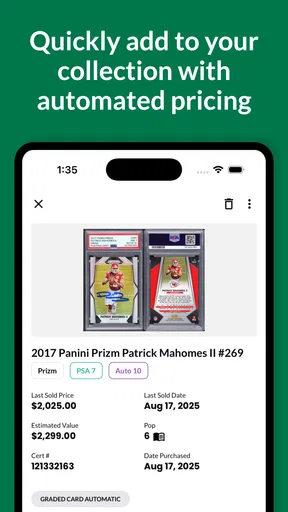
For an everyday workflow, I’d use Card Ladder in short sessions rather than trying to turn every collecting decision into a market analysis. After buying or trading a card, I’d add it to my collection and make a note of what I paid or exchanged, if the app’s tools allow me to record that information. Later, when checking a trend, I could compare the market context with my own cost instead of treating a current estimate as a profit calculation.
A realistic example: I’m at a card show, looking at a card I have been considering. I can use my phone to check the relevant market information, then compare it with the asking price and the card’s condition. If the details don’t line up, or the available history seems too thin to guide me, I can wait rather than forcing a decision. That pause is one of the best ways to use any pricing tool: it helps me ask better questions, not make the choice for me.
Where market-focused tracking helps
The app is most compelling when my collection has cards I follow over time, rather than a handful of keepsakes I rarely revisit. Market insights can give a collector a clearer frame for deciding which cards deserve attention, whether a recent change looks isolated, and what might be worth researching before a trade. Alerts can also help me avoid repeatedly checking the same card by hand, provided I set them around decisions I genuinely care about.
There’s a useful trade-off here. Alerts are only valuable when the threshold reflects a real plan. If I set too many, or choose levels without knowing why they matter, notifications become noise and I may start reacting to every movement. I’d begin with a small number tied to a specific intention—for example, a price point at which I would actually consider buying or selling—and adjust only after seeing whether the alert changes what I do.
The app’s reception suggests it has found an audience among collectors: it has a 4.5 average from around 650 ratings, with over 50,000 installs. That’s useful context, not a substitute for checking whether its approach fits my collection. Card tracking is personal: one person may care about long-term market movement, while another simply wants to remember which cards are in a box.
What is Card Ladder?
In a nutshell, Card Ladder is a comprehensive tool for tracking the value and performance of sports cards. Whether you’re a seasoned collector or a newbie trying to navigate the world of trading cards, this app has something for you.
User-Friendly Interface
First things first, let’s talk about the interface. If you’re anything like me, you appreciate an app that doesn’t make you feel like you need a degree in computer science to use it. Card Ladder scores high here. The layout is intuitive, and everything is where you’d logically expect it to be. Within minutes, I was navigating through my collection, adding new cards, and checking their market value.
Extensive Database
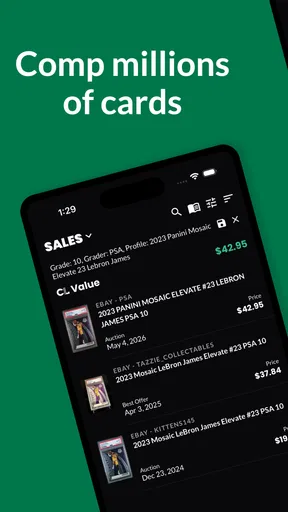
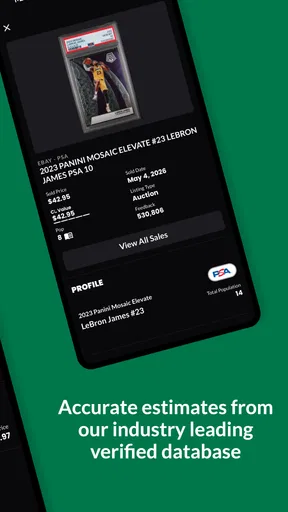
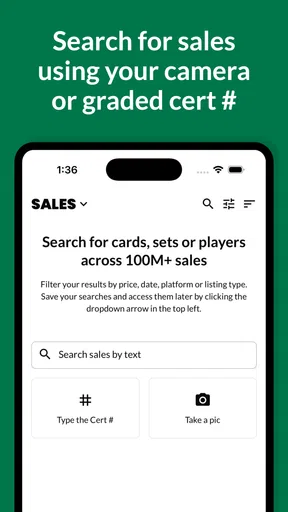
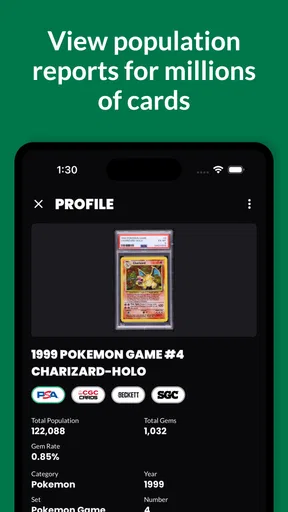
One of the app’s standout features is its extensive database. With thousands of cards listed, you can find just about any card out there. Card Ladder keeps you updated with real-time market trends, which is perfect for those who want to stay on top of the latest in card trading. It’s a bit like having a stock market tracker, but for cards!
Customizable Alerts
Another feature I found incredibly useful is the customizable alerts. You can set up notifications for when a card reaches a specific value, which is fantastic if you’re waiting for the right time to sell—or buy. It’s like having a personal broker who’s always got your back.
Market Insights
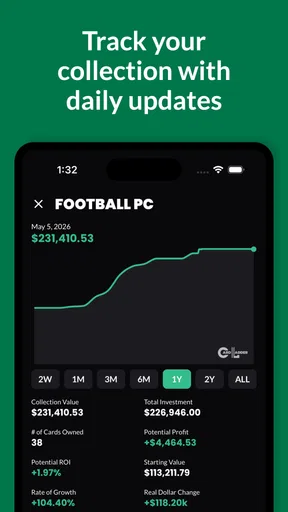
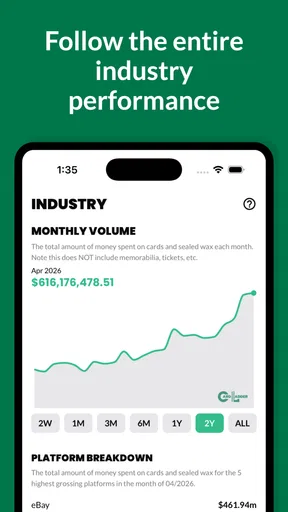
For those who love diving into data, the app offers detailed market insights and trends. It’s fascinating to see how card values fluctuate over time and what factors might be influencing these changes. This feature is a goldmine for any collector wanting to make informed decisions.
Community Engagement
What’s also cool is the community aspect of the app. You can connect with other collectors, share insights, and even engage in friendly debates about the value of certain cards. It adds a social element that makes the whole collecting experience even more enjoyable.
Subscription Model
Now, let’s talk about the pricing. While the app does offer a free version, to access all its features, you might want to consider the subscription model. It’s a small price to pay for the wealth of information and tools you get in return. Plus, the insights you gain could potentially pay off in your card trading ventures.
Choosing it over other approaches
The app is free to download, but in-app purchases range from $19.99 to $199.99 per item, so I’d look carefully at what an upgrade offers before paying. I wouldn’t subscribe just because I collect cards; I’d first use the free experience to see whether I actually return to the insights, alerts, and collection tools. The value is easier to judge if I know which feature I’m paying to use regularly.
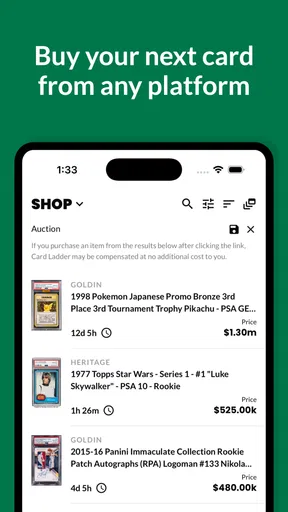
Compared with a spreadsheet, Card Ladder offers a more market-oriented way to follow cards, while a spreadsheet can be better for custom fields, personal notes, and a simple record that I control myself. A general marketplace is more useful when my immediate goal is browsing listings or completing a transaction. Those tools answer different questions: what do I own, what might it be worth, and where can I buy or sell? I’d use Card Ladder for the first two kinds of research and turn elsewhere when the actual transaction is the priority.
There’s also a judgment call around data depth. A large database is helpful only when it contains the precise card I’m researching and enough relevant context to be meaningful. For a less common card, I’d avoid treating a single reference point as definitive. I’d compare what the app shows with the card’s specific condition and other information available to me, then decide whether the evidence is strong enough to act.
Who will get the most from it
I’d recommend trying it if sports cards are an active hobby for you: you add to your collection, follow particular players or cards, or want more context before making trades. It can also suit someone who enjoys looking at market movement even when they aren’t ready to buy or sell. The app is rated for Everyone, but the market decisions themselves still call for patience and a willingness to check details rather than take a number at face value.
On the other hand, I’d skip it if I want a purely visual catalog, have no interest in card values, or rarely need to revisit my collection. A notebook or basic inventory tool may be less distracting for that job. I’d also be cautious if I’m expecting a price tracker to tell me exactly when to sell; no app can remove the uncertainty involved in demand, condition, and individual negotiations.
Switching without creating extra work
If I already track cards somewhere else, I wouldn’t move everything in one sitting. I’d start with the cards I check most often, confirm their details, and see whether the app’s way of organizing market information suits me. That small trial reveals whether it earns a place in my routine before I spend time rebuilding a full inventory. Keeping the old record until I’m comfortable with the new workflow also avoids losing useful notes or purchase context.
For a collector who uses multiple tools, the cleanest arrangement may be to give each one a clear role: one place for personal ownership notes, Card Ladder for market research, and a marketplace for buying or selling. Duplicating every detail everywhere can become a chore, so I’d record only what helps me make decisions. That’s a practical way to benefit from specialized tracking without turning collecting into data entry.
The current version is 3.15.0, and it requires Android 7.0 or later. It was released on February 2, 2021, and remains a free app to install, with optional in-app purchases. Those basics make it accessible to try, but I’d still judge the experience by whether the app’s current tools match the way I collect, rather than by version details alone.
Final Thoughts
In conclusion, if you’re serious about your card collection, Card Ladder is an indispensable tool. It’s like having the ultimate cheat sheet for the sports card market. Whether you’re in it for the love of collecting or looking to make some savvy investments, this app provides everything you need to succeed. So, go ahead, give it a try, and watch your card collection game level up!
My recommendation
My recommendation is more measured: I’d give it a try if market context is part of the fun or the decision-making in my sports card hobby, but I wouldn’t assume it replaces careful research or guarantees a better sale. Its strongest case is helping me keep collection tracking and market awareness close together. Its weakest case is for someone who only wants a straightforward inventory or expects automatic certainty from changing prices.
That balance is why I’d start small, check whether the cards I care about are represented as precisely as I need, and only then decide whether optional purchases are worthwhile. If the app helps me pause, compare, and make a more informed choice, it has earned a spot on my phone. If I find myself opening it only out of habit, a simpler tool is probably the better fit.
Verdict
Strengths of Card Ladder
- Comprehensive data tracking for all major trading cards.
- User-friendly interface for easy navigation.
- Real-time updates keep you informed on market trends.
- Customizable watchlists for tracking specific cards.
- Robust analytics tools for in-depth market analysis.
Limitations of Card Ladder
- Requires a subscription for full access to features.
- Limited support for niche or rare card types.
- Occasional lag in live data updates.
- Mobile app lacks some desktop features.
- No offline mode available for data access.
Similar Picks in This Category
View All
BeSoccer: Soccer Live Score
BeSoccer apps4.3

Cricbuzz - Live Cricket Scores
Cricbuzz.com3.7

NFL
NFL Enterprises LLC2.4

Da Fit
MO YOUNG LIMITED3.6

ESPN
Disney4.5

LiveScore: Live Sports Scores
LiveScore Limited4.5
Frequently Asked Questions
What is Card Ladder and how does it work?
Card Ladder is a comprehensive app designed for sports card enthusiasts. It provides real-time data on card prices, trends, and market insights. Users can track their collections, analyze the market, and make informed decisions. The app aggregates data from various sources to offer accurate and up-to-date information.
Is Card Ladder free to use or does it require a subscription?
Card Ladder offers both free and subscription-based services. The free version provides basic features, while the subscription unlocks advanced tools like detailed market analysis and historical data. This model allows users to choose depending on their level of engagement and need for comprehensive data.
On which platforms is Card Ladder available?
Card Ladder is available on both Android and iOS platforms, ensuring accessibility for a wide range of users. The app can be downloaded from the Google Play Store or the Apple App Store, providing a seamless experience across different devices and operating systems.
What features does Card Ladder offer to enhance my card trading experience?
Card Ladder offers a multitude of features such as price tracking, market trends, collection management, and detailed analytics. Users can track their card portfolio’s value, get insights on market fluctuations, and access a vast database of cards to make informed trading decisions.
Is my data secure on Card Ladder?
Yes, Card Ladder prioritizes user data security by implementing robust encryption and privacy measures. All personal and financial information is securely stored, ensuring that users can manage their collections and transactions with peace of mind. Regular updates also enhance security features.
